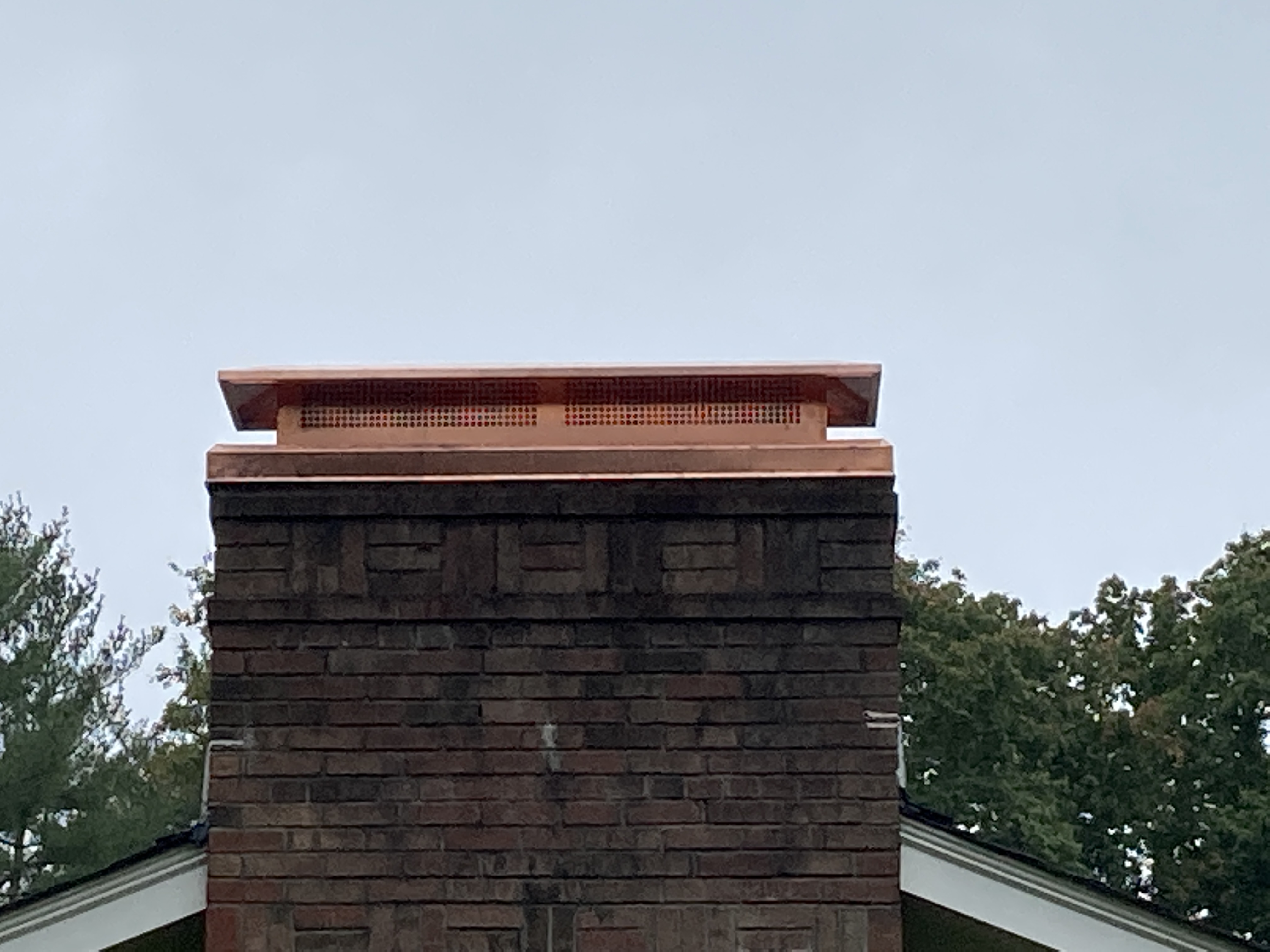
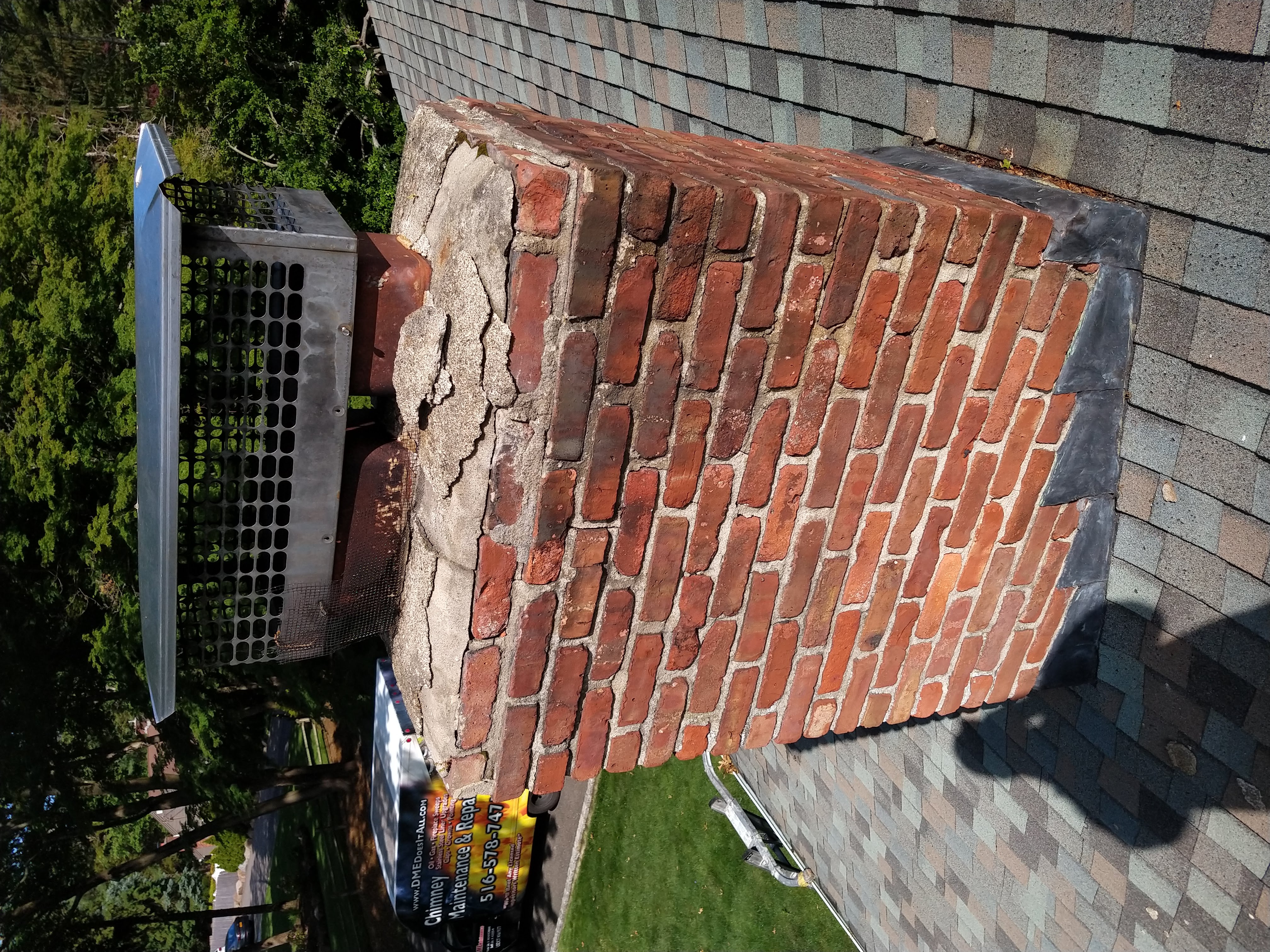
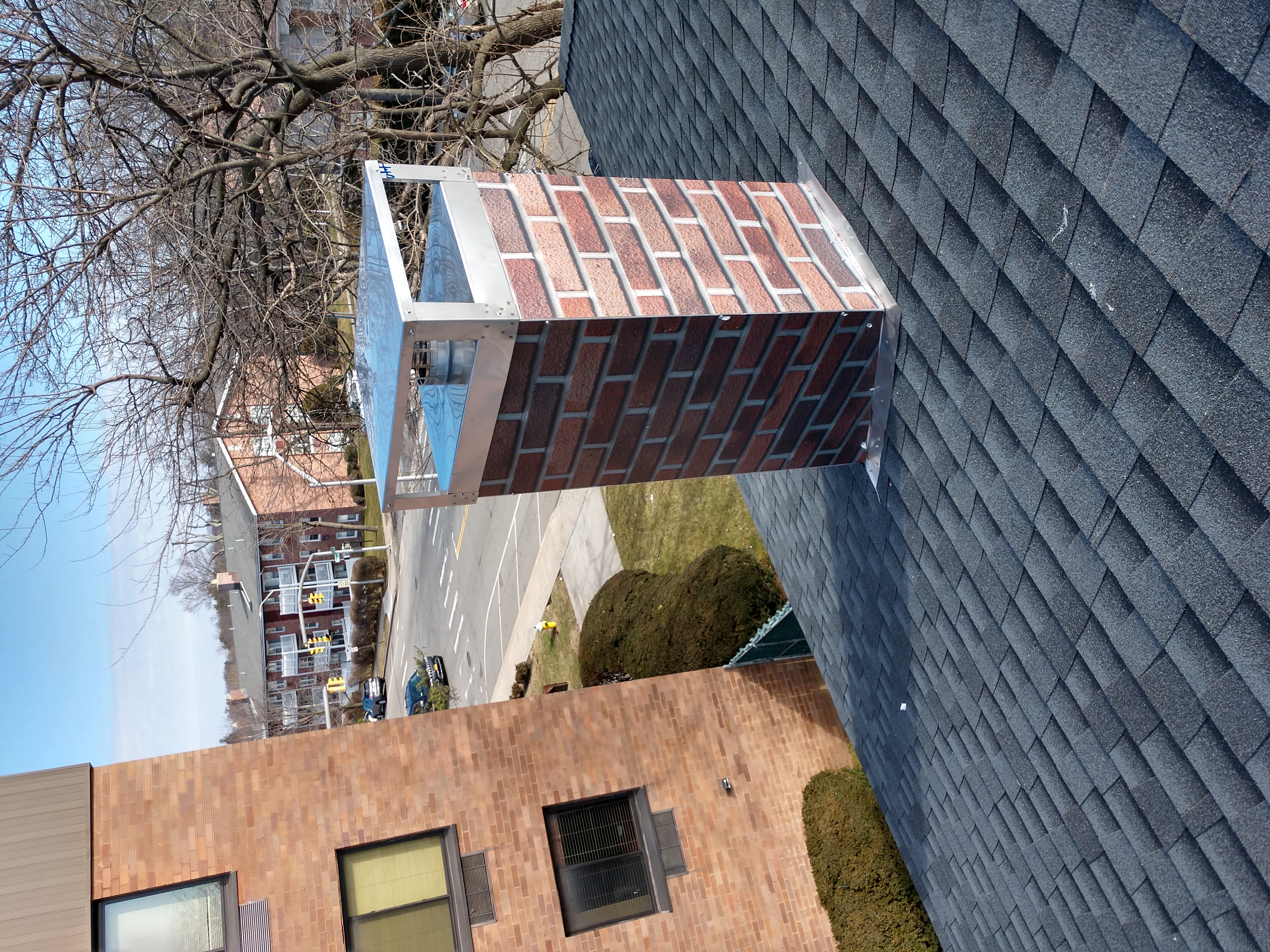
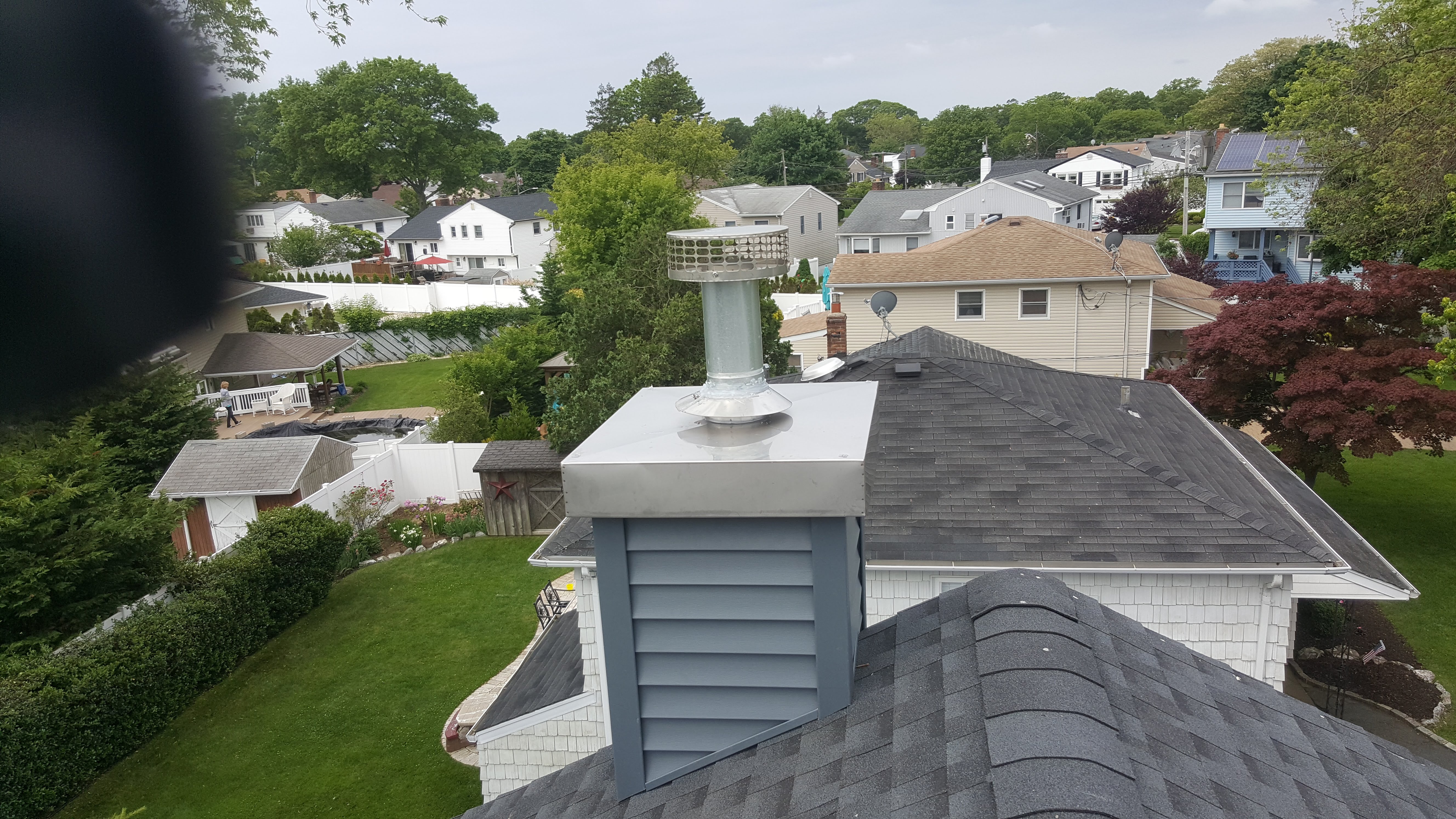
Sitting at the northern edge of Nassau County, homes in Massapequa Park face a particular set of weather challenges that most homeowners don't think about until something goes wrong. Your chimney crown works harder here than you might realize. It's the concrete or mortar cap perched on top of your chimney stack, sloping gently outward to shed water away from the flue opening and down the sides of the masonry. Without a sound crown, rainwater and melting snow have a direct path into your chimney system. This single component stands between your heating system and serious water damage that can cost thousands to repair.
Many properties in Massapequa Park were built decades ago when chimney crowns received less attention than modern construction standards demand. Oil heat remains the dominant heating system on Long Island, and homes in Massapequa Park are no exception. Your oil-fired heating system relies on a functioning chimney flue to safely vent combustion gases. When water penetrates a damaged crown, it travels down into the flue, saturates the masonry, and begins a cascade of problems. Rust forms on dampers and firebox components. Mortar joints weaken. The flue lining itself can crack. What starts as a small leak becomes an expensive restoration project.
The typical cracked crown develops from a combination of factors unique to our coastal Nassau County location. Freeze-thaw cycles during winter months cause concrete to expand and contract repeatedly. Salt spray from proximity to Long Island Sound and ocean inlets accelerates deterioration of mortar-based crowns. UV exposure weakens concrete surfaces year after year. Massapequa Park residents who've had their homes through several winters understand how quickly a small crack can spread. By spring, a hairline fracture has widened enough to allow water penetration. Your chimney crown isn't designed to self-heal—it only gets worse.
Water entry through a compromised crown follows predictable paths through your chimney system. Rain soaks into the concrete or mortar. It runs down the interior flue walls and the exterior masonry. It pools at the base where the chimney meets your roof line. From there, it migrates into attic framing, staining insulation and ceiling drywall. In winter, standing water in the masonry freezes and forces mortar joints apart. Homeowners in Massapequa Park often notice water stains on interior walls long after the rain has stopped. These stains indicate that saturation has already progressed deep into your chimney structure. Early repair prevents this damage progression.
The distinction between crown maintenance and crown repair matters when you're planning your seasonal maintenance schedule. Some crowns can be sealed if cracks are caught early. Others require complete reconstruction because deterioration has progressed too far. A thorough inspection before rainy season and winter weather arrives tells you which path your chimney needs. The crown's slope should direct water outward, not toward the flue opening. The mortar should be intact at all edges. The concrete shouldn't have deep gaps or spalling. If Massapequa Park residents wait until they notice interior damage, the problem has often become more complex and expensive to fix.
Massapequa Park homeowners should understand that their chimney crown is doing work every single day, not just during storms. Morning dew forms on the cool concrete. That moisture seeks the lowest point. Seasonal temperature swings stress the material. Each rainy day tests the crown's ability to shed water completely. A crown that's merely adequate isn't sufficient for Long Island's climate. You need one that's been properly constructed or rebuilt to handle our humidity, salt air, and freeze-thaw cycles. The time to address this is now, before the heavy rains and freezing temperatures arrive.
Our service area covers all of Massapequa Park and the neighboring communities. Homeowners across Massapequa Park have relied on DME Maintenance, a local Long Island-based chimney company, for annual chimney service for over two decades.
Proper crown repair in Massapequa Park requires understanding both the flashing that connects the crown to your roof and the structural integrity of the concrete or mortar itself. A crown sitting loose on masonry allows water to wick underneath. One without adequate overhang lets rain splash back onto the chimney face. A crown constructed of substandard materials won't hold up through multiple seasons of Nassau County weather. Every element must work together. The slope must be consistent. The edges must seal tightly. The material must have the strength to resist freeze-thaw stress. Half measures lead to repeat repairs.
Homeowners in Massapequa Park should act before the rainy season begins in earnest. Fall and early winter bring the heaviest precipitation in our area, and that's when chimney leaks become obvious and destructive. Spring thaw adds its own water volume to the equation. If your crown shows visible cracks, has missing sections, or allows water to puddle on top, it needs attention now rather than later. DME Maintenance has been servicing chimneys on Long Island since 2001. Our owner, Douglas Eberling, has inspected thousands of chimneys in Nassau County, NY and knows exactly how crowns fail in our specific climate conditions. Call 516-690-7471 today to schedule a crown inspection before weather conditions make the work difficult or damage spreads inside your home.